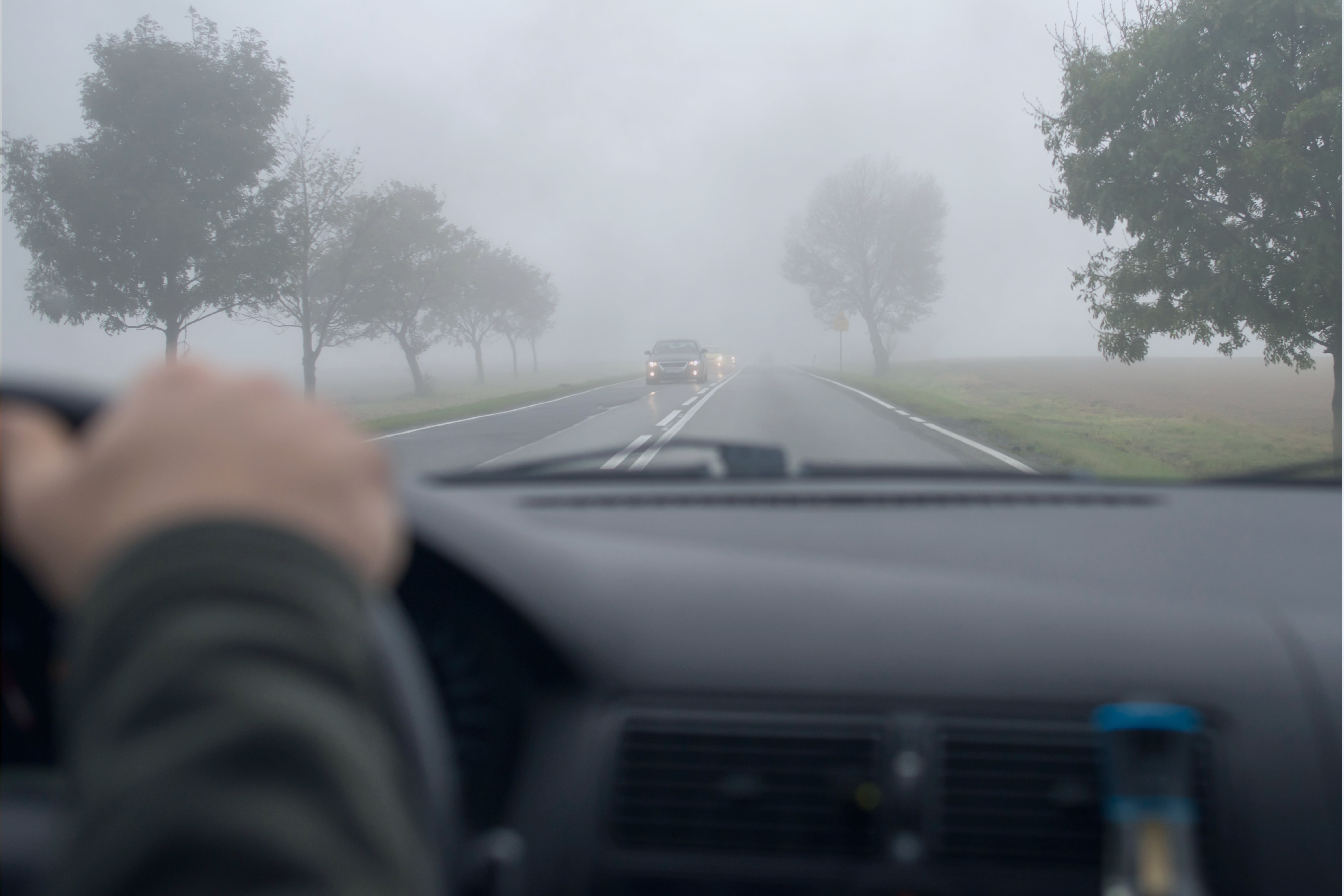
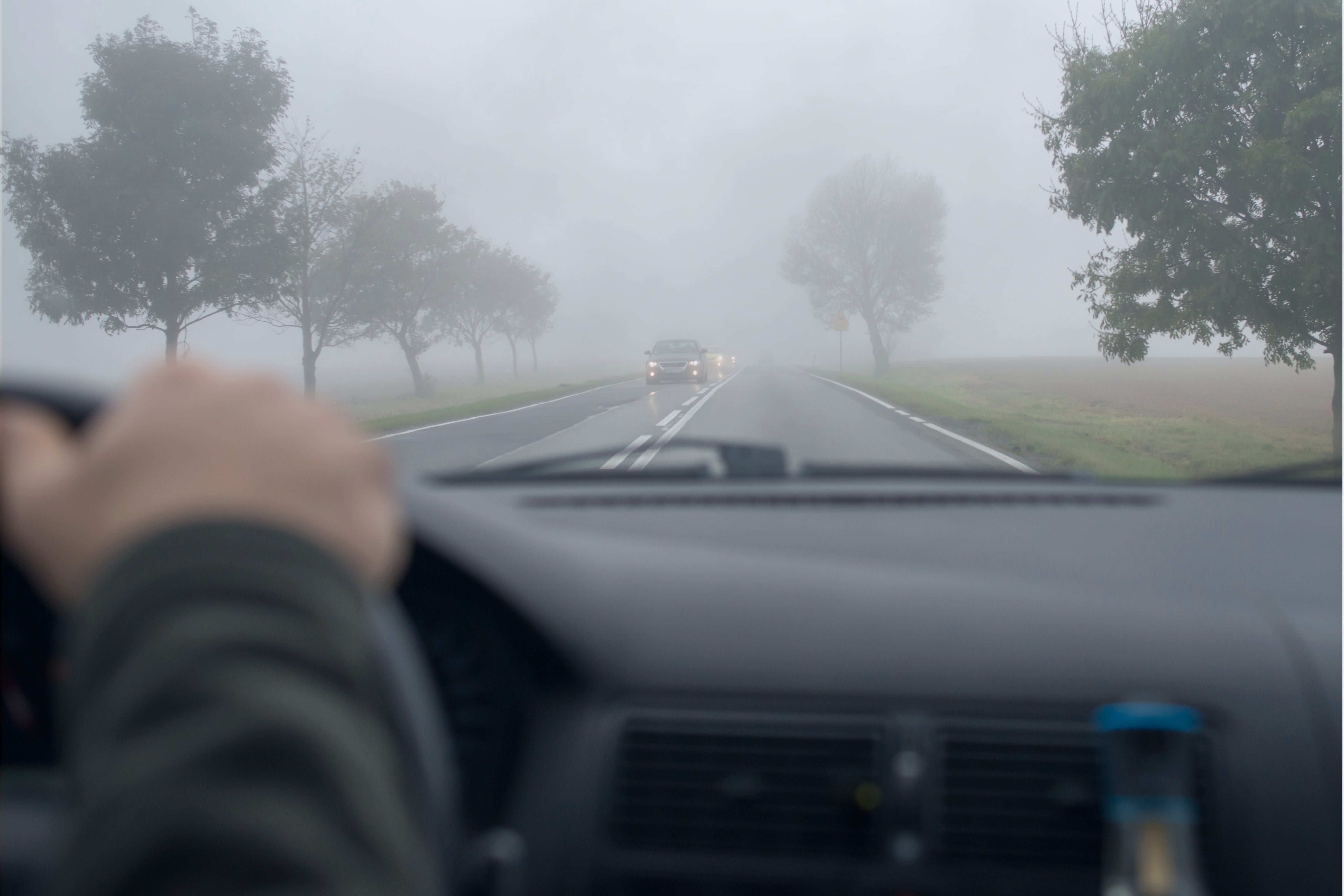
Fog is a beautiful and mysterious natural phenomenon, but behind its ethereal veil lies a serious driving hazard. Reduced visibility makes it difficult to see what's ahead, judge distances, and react to sudden changes. Whether you're a seasoned driver or a new motorist, knowing how to navigate foggy conditions is crucial for your safety and the safety of others on the road.
Here are some essential tips to help you drive safely when fog rolls in.
1. Slow Down and Increase Your Following Distance
This is the golden rule of driving in fog. Your ability to react is directly tied to how much you can see. Since fog dramatically reduces your sightlines, you need to slow down to a speed that allows you to stop safely within the distance you can see. Don't rely on the feeling of speed; fog can create an optical illusion that makes you feel like you're moving slower than you actually are. Regularly check your speedometer to ensure you're at a safe speed.
Equally important is increasing your following distance. The two-second rule is a good general guideline, but in fog, you should extend this to a five-second gap or more. This gives you extra time to react if the car in front of you suddenly brakes or a hazard appears out of the mist.
2. Use the Right Lights
Your choice of lighting is critical in foggy conditions.
- • Use Low-Beam Headlights: This is the most crucial point. High beams are designed to project light far ahead, but in fog, the tiny water droplets reflect this bright light back at you, creating a blinding glare. Low beams, on the other hand, are aimed downward, reducing the reflection and improving your ability to see the road.
- • Use Your Fog Lights: If your vehicle is equipped with fog lights, turn them on. These lights are mounted low on the car and have a wide, flat beam that is specifically designed to cut through fog and illuminate the road surface below the fog bank.
- • Don't Use Hazard Lights While Driving: Hazard lights are meant to signal that a vehicle is stopped or in an emergency. Using them while moving can confuse other drivers, who may think you're stalled, leading to potential rear-end collisions.
3. Maintain Lane Discipline and Use Road Markings
Fog can make it easy to drift out of your lane. To stay on track, use the white painted lines on the road as your guide. The solid white line on the right edge of the road is an excellent reference point, as it keeps you safely away from oncoming traffic. Avoid using the tail lights of the vehicle in front of you as your only guide, as this can give you a false sense of security and lead to tailgating.
4. Eliminate Distractions and Use Your Ears
In foggy conditions, your full attention is required. Turn off the radio, put away your phone, and ask your passengers to be quiet. Every sense needs to be focused on the road. Rolling down your window slightly can also be a helpful tip, as it allows you to listen for other vehicles or potential hazards that you may not be able to see.
5. Be Prepared to Stop
Fog can get thicker without warning. If visibility becomes dangerously low, the safest thing you can do is pull over. Find a safe place to stop, such as a rest area or a parking lot. If you must pull off the side of the road, drive as far away from the main roadway as possible, turn on your hazard lights, and wait for conditions to improve. Never stop in the middle of a lane of traffic.
6. Keep Your Windows and Mirrors Clear
The same moisture that creates fog can also cause condensation on your windshield and windows, further obscuring your vision. Use your defroster and windshield wipers to keep all glass surfaces clear. This simple step can make a significant difference in your ability to see.
A Final Word of Caution
While following these tips can greatly enhance your safety, the best advice is often to avoid driving in dense fog altogether. Before you start your journey, check the weather forecast. If a fog advisory is in effect and your trip isn't essential, consider delaying it until the fog has lifted. A little patience can be the difference between a safe trip and a dangerous one.


 Buy Gift Card
 Review


